

How to Decide If Weighted Baseballs Are Worth Buying
Posted by Editorial Team on 2026 Nov 2nd
Last Updated: November 2, 2026
Quick Summary
Weighted baseballs are worth buying for most serious players, but only if you use them with a plan. They train arm strength and arm speed, yet they are a stimulus rather than a magic velocity switch, and the adaptation comes from how you program them.
- A regulation baseball weighs 5 ounces; weighted balls weigh more or less.
- The most common injury path is adding weighted balls on top of a full throwing load.
- Plyo balls are typically rubber or synthetic and built for high-rep drills.
- Progress one variable at a time: add weight or volume, not both.
- The DWB-PP Real Leather Weighted Ball Set includes 3oz, 4oz, 6oz, 7oz, 9oz, and 11oz balls.
Table of Contents
- What Weighted Baseballs Actually Do for Your Training
- Weighted Baseball Training Benefits and Risks
- Weighted Baseballs vs. Plyo Balls: Which Do You Need?
- How to Build a Weighted Baseball Throwing Program
- Best Weighted Baseballs for Pitchers and Position Players
- Cost vs. Value: Is the Investment Worth It for Your Team?
- Pick Your Weighted Ball Set and Start Training
- Frequently Asked Questions
What Weighted Baseballs Actually Do for Your Training
Weighted baseballs are training tools that weigh more or less than a regulation 5-ounce baseball, and they change how your arm moves through a throw. The short answer to "are weighted baseballs worth buying" is yes, for most serious players, but only if you use them with a plan.
Here is what they actually do. A heavier ball forces your arm to recruit more muscle through the throwing motion. A lighter ball lets you move faster without the same strain. Together, they train both strength and arm speed, which is why so many throwing programs use them.
A common mistake is treating weighted balls as a magic velocity switch. They are not. They are a stimulus, and the adaptation comes from how you program them.
Weighted Baseball Training Benefits and Risks
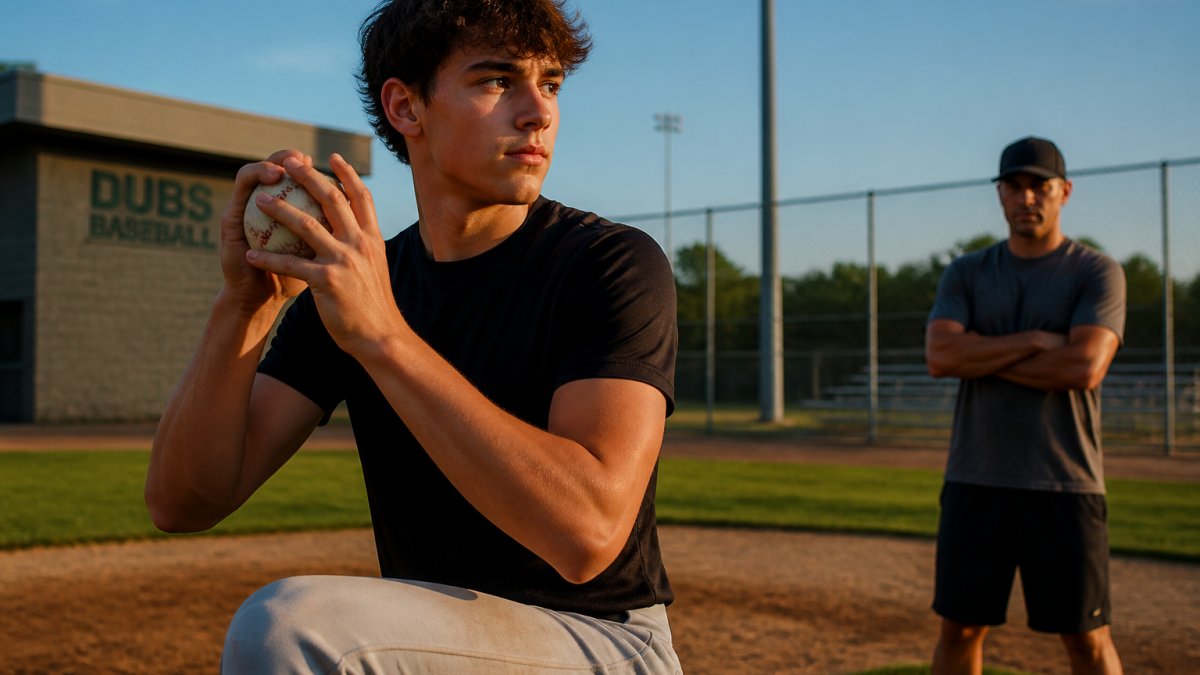
Weighted baseball training is often associated with improved arm strength and arm speed work. The main risk centers on one thing, which is doing too much too soon.
Watch out: the most common injury path is a player who adds weighted balls on top of a full throwing load instead of adjusting the load around them. That is how arms break down.
Before you start, read our guide on how to use weighted baseballs safely. It covers age-specific progressions and stop rules, which matter more than the ball itself.
Weighted Baseballs vs. Plyo Balls: Which Do You Need?
Weighted baseballs and plyo balls overlap, but they are not the same tool. Weighted baseballs are balls that weigh more or less than a regulation baseball. Plyo balls are typically rubber or synthetic, often lighter, and built for high-rep throwing drills.
- Weighted baseballs: better for strength work and throwing that mimics game mechanics
- Plyo balls: better for warm-up, arm speed, and high-volume drills
- Most programs: use both, not one or the other
If you want the full breakdown on the plyo side, our plyo ball training guide covers weight selection and a complete routine.
How to Build a Weighted Baseball Throwing Program
A weighted baseball throwing program works best when it follows a simple structure: build a base, add intensity, then back off. Here is the framework we recommend.
- Establish a baseline. Throw a normal catch session and note how your arm feels the next day.
- Start light. Begin with balls close to regulation weight before moving heavier.
- Keep volume low at first. Fewer throws, more rest, especially in week one.
- Progress one variable at a time. Add weight or volume, not both.
- Schedule recovery days. Weighted work is stress, and stress needs a response window.
- Track how you feel. Soreness that lingers past a day is a signal to pull back.
New to this? Read whether weighted balls for beginner pitchers are worth it before you build a full program.
Best Weighted Baseballs for Pitchers and Position Players
Graduated weight ranges let pitchers progress gradually from one weight to the next. Our DWB-PP Real Leather Weighted Ball Set includes 3oz, 4oz, 6oz, 7oz, 9oz, and 11oz balls, plus a black drawstring carry bag. That range covers everything from light warm-up work to heavy strength throws.
DWB-3 - Real Leather Weighted Ball - 3oz. →
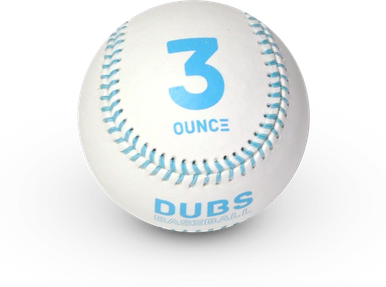
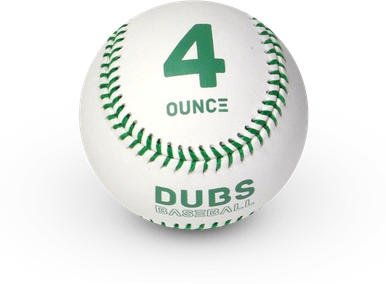
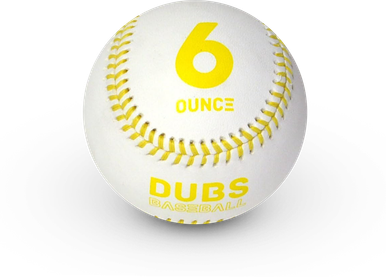
For players who want to add weight gradually, we also sell the balls individually: the DWB-3 3oz ball, the DWB-4 4oz ball, and the DWB-6 6oz ball. All are real full grain leather, built for catching and throwing training.
| Player Need | Recommended Option | Why |
|---|---|---|
| Full program, all weights | DWB-PP Set (3-11oz) | Complete range in one purchase |
| Gradual progression | Individual 3oz, 4oz, 6oz balls | Add weight as arm adapts |
| Arm speed and warm-up | DPB-100 Plyo Ball | Lighter, high-rep friendly |
| Team or academy buying | DWB-PP Set per player | Durable leather, consistent weights |
Cost vs. Value: Is the Investment Worth It for Your Team?
Whether the investment pays off depends on how much you throw and how long you plan to play. A weighted ball set is a one-time purchase that supports years of training, which is why it tends to make sense for players who are committed to development.
For a small academy buying for a large group, durability is an important consideration. That is the case for buying quality once.
If you are weighing the broader picture, our weighted equipment player development guide shows how weighted gear fits into a full training plan.
Pick Your Weighted Ball Set and Start Training
The decision comes down to three questions: how serious is the player, how much throwing volume can the arm handle, and do you want a full set or individual weights? Answer those honestly and the choice is straightforward.
At Dubs Baseball, we stock real full grain leather weighted balls, plyo balls, and the accessories that support a complete throwing program. Our Real Leather Weighted Ball Set gives you every weight you need in one bag, and our 100g Throwing Plyo Ball rounds out the speed work.
Get started with Dubs Baseball and build a throwing program your arm can actually sustain.
Frequently Asked Questions
Do weighted baseballs increase pitching velocity?
Weighted baseballs can help increase pitching velocity when used in a structured program. Throwing heavier and lighter balls challenges the arm at different speeds, which may improve fast-twitch muscle recruitment and arm speed. However, results depend on consistent training, proper mechanics, and adequate rest. Many pitchers see gains over several weeks to months, but there is no guarantee, and overuse can lead to injury. Always pair weighted ball work with a throwing program that includes recovery days.
Are weighted baseballs safe for youth players?
Weighted baseballs can be safe for youth players if used with age-appropriate weights and strict supervision. Younger athletes should start with lighter weights, such as 3 oz or 4 oz balls, and focus on proper throwing mechanics rather than maximum effort. Avoid heavy balls for pitchers who are still developing arm strength. Coaches and parents should monitor for fatigue and soreness, and consult a sports medicine professional before starting any weighted ball program with children.
What is the difference between weighted baseballs and plyo balls?
Weighted baseballs are typically the same size as a standard baseball but weigh more, ranging from 3 oz to 11 oz, and are used for overload training to build arm strength. Plyo balls are often slightly larger and made of a rubbery material, and they come in a range of weights, including lighter-than-standard balls for underload training. Both can be used together in a throwing program, but plyo balls are often preferred for dynamic warm-ups and recovery work.
How often should pitchers use weighted baseballs?
Pitchers should use weighted baseballs two to three times per week during the offseason and reduce frequency during the season to avoid overuse. A typical session might include 15 to 20 throws with various weights, focusing on mechanics and arm speed rather than maximum velocity. Always include at least one full rest day between weighted ball sessions, and listen to your arm. If soreness persists, stop and consult a coach or athletic trainer.
The hardest part of weighted ball training is not buying the gear. It is committing to a progression and respecting the recovery days. Dubs Baseball gives you durable, real leather tools built for that work, from a full multi-weight set to individual balls and plyo options. Add a set to your cart and start training with equipment that holds up season after season.
