

What Are Practice Baseballs For? A 2026 Training Guide
2026 Oct 7th
Table of Contents
- What Practice Baseballs Are Designed to Do
- Best Baseballs for Hitting Practice by Drill Type
- Practice Baseballs vs Game Balls: What Actually Changes
- Foam Practice Baseballs for Indoor and Confined Spaces
- Choosing Baseballs for Pitching Machines
- Setting Up Safe, Effective Practice Sessions
- Limitations, Trade-Offs, and When to Replace Balls
- Conclusion: Match the Ball to the Drill
- Frequently Asked Questions
Last Updated: October 7, 2026
What Practice Baseballs Are Designed to Do
Practice baseballs are training balls built for repetition, not for games. They let players take hundreds of swings and throws without wearing out game balls or risking injury.
The answer comes down to volume. Games give you a handful of at-bats. Practice gives you hundreds of reps. Practice baseballs exist to make those reps cheap, safe, and repeatable.
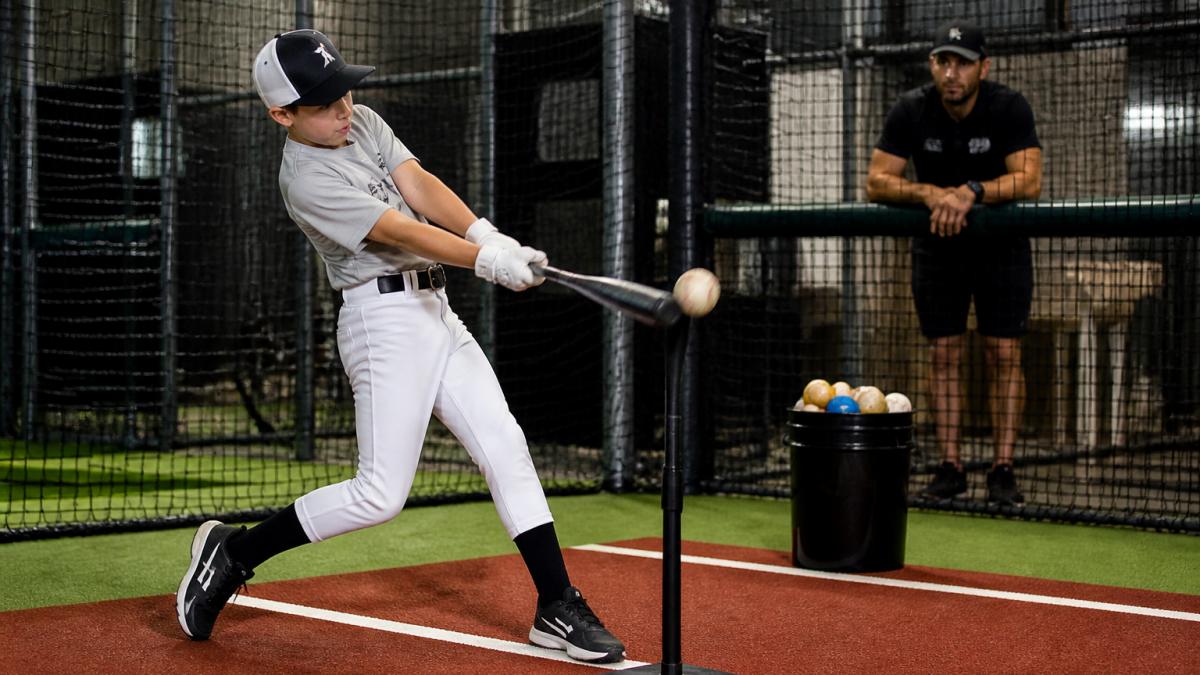
Why Rep Volume Beats Game-Day Intensity
A batter might see 20 pitches in a game. In one cage session, that same player can take 150 swings. The math is obvious.
Practice balls make that volume possible. They cost less than game balls, they hold up to repeated contact, and softer options cut the sting on mishits.
The USA Baseball coaching resources stress age-appropriate training loads for young players, and ball choice is part of that.
Best Baseballs for Hitting Practice by Drill Type
The best baseball for hitting practice depends on the drill. Tee work, front toss, and live BP each put different demands on the ball and the player.
Here's how we'd match them:
| Drill | Best Ball Type | Why |
|---|---|---|
| Tee work | Standard practice baseballs | Durable, realistic feel |
| Front toss | Reduced-impact balls | Softer on mishits |
| Live BP | Regulation-weight practice balls | Game-like feedback |
| Indoor hitting | Foam balls | Safe for walls and windows |
Tee Work, Front Toss, and Live BP
Tee work builds swing mechanics.
Front toss happens close to the hitter. A reduced-impact ball protects the coach's hands and the batter's confidence when contact is off.
Live BP should feel like game speed. Use regulation-size, regulation-weight practice balls so timing and pitch recognition transfer to real at-bats.
Mixing ball types within one session can confuse a young hitter's timing. Pick one ball per drill and stick with it.
Practice Baseballs vs Game Balls: What Actually Changes
Practice baseballs and game balls share the same size, but they differ in cover, stitching, and durability. Game balls meet strict league standards. Practice balls prioritize longevity and cost.
The core differences:
- Cover material: Game balls use leather; many practice balls use synthetic covers that last longer outdoors.
- Stitching: Game balls have tight, uniform seams; practice balls vary more.
- Durability: Practice balls are built to take hundreds of hits.
- Cost: Practice balls cost less, so losing one in the weeds hurts less.
For hitting practice, the trade-off is worth it. You don't need a game ball to groove a swing. You need a ball that survives the session.
NCAA baseball rules on equipment standards set the bar for competition play, which is why game balls stay reserved for games.
Foam Practice Baseballs for Indoor and Confined Spaces
Foam practice baseballs are soft, lightweight balls made for indoor use. They won't break a window, dent a garage door, or hurt a player on a bad hop.
These balls solve a real problem. Many players live where winter kills outdoor practice. A foam ball turns a basement, garage, or hallway into a hitting station.
What foam balls do well:
- Safe for confined spaces
- Gentle on bats and walls
- Great for tee work and soft toss
- Light enough for young players
What they don't do: they won't teach you how a real ball comes off the bat. Use them for mechanics, not for timing against live pitching.
Choosing Baseballs for Pitching Machines
Pitching machines are the one piece of training equipment where the wrong ball does real damage. A ball that is too heavy strains the motor and wheel bearings. A ball that is too hard or too seamy can slip, climb, or feed unevenly, which throws off location and can jam the feed mechanism. A ball that is too light never reaches the plate with usable speed, so the hitter times a pitch that doesn't exist in a game.
Machine balls are not just "practice balls you happen to own." They are a separate category, and most machines are designed around a specific ball. Before you buy, match the ball to the machine on four specs:
- Diameter. Most machines are built for standard 9-inch baseballs. Some youth and multi-sport machines use smaller or larger balls, and a mismatched diameter is the most common cause of jams and wild feeds.
- Weight. Regulation-weight balls (about 5 ounces) are the baseline for machines rated for real baseballs. Lighter reduced-impact and foam balls change the machine's timing and can be flung inconsistently. Heavier balls stress the motor and wheels.
- Surface. Dimpled, seam-free machine balls feed more smoothly and grip the wheels more predictably than standard stitched balls. Stitched balls can wear the wheels and produce inconsistent spin.
- Material. Rubber and polyurethane machine balls hold up to wheel friction far better than leather or synthetic-covered game balls, which scuff and break down quickly in a machine.
Match the Ball to the Machine, Not the Bucket
Machine balls are made for machines. Keep them in a separate, labeled bucket so nobody feeds a game ball or a foam ball into a wheel machine.
A practical setup pattern:
- Wheel machines: dimpled or seam-free rubber machine balls, matched to the machine's rated diameter and weight.
- Arm-style machines: regulation-weight practice balls, since the arm throws the ball rather than gripping it between wheels.
- Indoor and confined-space machines: reduced-impact or foam balls only if the machine is explicitly rated for them, because lighter balls can feed erratically and the machine may not be designed for the lower mass.
Safe Use With Machines
Machine work is high-rep work, which is exactly why safety details matter. A few habits prevent most problems:
- Set the machine behind a net or screen so the operator is not in the line of a batted ball.
- Confirm the machine's speed and distance match the hitter's age and skill level before the first pitch.
- Inspect balls before loading. A cracked or out-of-round ball can jam the feed or fly unpredictably.
- Never reach into the feed area while the machine is running.
- Keep the area behind the machine clear of people, windows, and vehicles.
Little League International equipment guidance notes that machine-pitch programs vary by age group, so confirm the right ball and speed for your level rather than assuming one setting fits all.
Setting Up Safe, Effective Practice Sessions
Safe practice starts with the space and the ball. Before any session, check your setup:
- Net or cage in place and secure
- No windows, cars, or people behind the hitting area
- Correct ball type for the drill
- Players warmed up before full-speed swings
- Helmets on for live pitching
- Balls inspected for cracks or soft spots
Then run the session in stages. Start with tee work, move to front toss, finish with live BP. Each stage uses the ball that fits it.
For indoor sessions, foam or reduced-impact balls are the safe choice. For outdoor work, standard practice balls handle the wear.
Limitations, Trade-Offs, and When to Replace Balls
Foam, rubber, reduced-impact, hollow, and regulation-style practice balls behave differently off the bat, off the hand, and off the wall, and each one has a job it does well and a job it does badly. Knowing the trade-offs is what separates a useful training ball from a misleading one.
How the Main Types Compare
Foam balls. Light, soft, and safe for garages, basements, and hallways.
Reduced-impact (low-compression) balls. These look and feel closer to a real baseball but compress more on contact.
Rubber and polyurethane machine balls. Durable, uniform, and built for wheel machines. They feed smoothly and survive thousands of cycles.
Hollow (whiffle-style) balls. Very light, with holes that create drag and curve.
What Practice Balls Cannot Do
No practice ball replaces a game ball for competition. Practice balls generally do not meet league equipment standards, and a foam or hollow ball will not reproduce regulation flight, spin, or impact.
The honest trade-off is simple: practice balls trade game-day realism for volume, safety, and cost. That trade is worth it for mechanics and repetition, and it is a poor trade for measuring true game readiness. Mix ball types across a training week rather than committing to one.
When to Replace a Ball
A worn ball flies wrong and can hurt a player's timing or, on a bad hop, their body. Replace a ball when you notice:
- Visible cracks or splits in the cover
- A soft or mushy feel when squeezed
- A misshapen or out-of-round shape
- Loose or frayed stitching
- A rubber or machine ball that has lost its uniform surface or developed flat spots
Foam balls are the exception to the crack rule: they rarely crack, but they do compress permanently over time. If a foam ball no longer springs back when squeezed, it has lost the density that made it useful and should be retired.
Conclusion: Match the Ball to the Drill
The challenge for coaches and parents isn't finding practice baseballs. It's matching the right ball to the right drill.
Get that wrong, and you either waste money on game balls for cage work or risk injury with the wrong ball indoors. Dubs Baseball offers a comprehensive selection of high-quality, specialized baseball training equipment, from game and practice baseballs to weighted plyo balls and essential arm bands, all designed to elevate player performance.
Frequently Asked Questions
What are practice baseballs used for?
Practice baseballs are built for repetition, not game play. Coaches use them for batting practice, tee work, front toss, pitching drills, fielding reps, and machine sessions. Because they cost less than regulation game balls and can be produced in softer or lighter versions, they let players take hundreds of swings and throws without wearing out game-day inventory. Foam and reduced-impact types also make indoor training and confined-space drills possible year-round.
How are practice baseballs different from game balls?
Game balls meet strict weight, circumference, and cover standards so every pitch and hit behaves consistently in competition. Practice baseballs relax those standards. They may be lighter, softer, or made with synthetic covers, and some are hollow or foam-filled. The trade-off is durability and feel: practice balls cost less and reduce sting on cold days, but they do not match the flight, bounce, or grip of a regulation ball.
Are foam baseballs good for practice?
Foam practice baseballs work well for indoor hitting, youth players, and any drill where a hard ball would risk windows, walls, or faces. They are light enough to swing in a garage or basement and soft enough for beginners learning to catch. They are not a substitute for real-ball work when you are training pitch recognition, exit velocity, or game-speed fielding, so use them as a complement, not a replacement.
Can you use practice baseballs in a pitching machine?
Only if the ball matches the machine's requirements. Most machines are calibrated for regulation-size, regulation-weight balls, so lighter or hollow practice balls can feed inconsistently or damage the wheels. Check the manufacturer's spec before loading anything non-standard, and keep a dedicated set of machine-safe balls separate from your hand-thrown practice bucket. Foam balls should never go in a wheeled machine.
Practice baseballs exist to make repetition cheap, safe, and repeatable. Match the ball to the drill, inspect your gear, and your players will get more quality reps than any game could ever provide.