

Pregame Warm-Up Equipment: A 2026 Guide
Posted by Editorial Team on 2026 Oct 23rd
Last Updated: October 23, 2026
Quick Summary
Pregame warm-up equipment enables progressive muscle activation, builds confidence through controlled movements, and reduces injury risk by preparing your body for competition. Essential gear includes resistance bands for arm care, game-spec baseballs for throwing and batting, and high-visibility balls for low-light conditions.
- Pregame warm-up progresses through three phases: light activation (3-5 minutes), dynamic stretching (5-10 minutes), and sport-specific movements (10-15 minutes).
- Resistance bands like the Dubs Arm Care Band strengthen the rotator cuff and should be used before and after throwing to prevent injuries.
- High-visibility orange balls improve tracking in low-light conditions, evening games, and overcast settings where standard white baseballs are difficult to see.
- A basic individual kit requires game-spec baseballs, a resistance band with fence hook, and high-visibility balls for outdoor work.
- Throwing progression follows strict stages: 45 feet at 50% effort, 60 feet at 60%, 90 feet at 75%, then game distance at 85-90%.
Table of Contents
- Why Pregame Warm-Up Equipment Matters
- Building a Baseball Pre-Game Warm-Up Routine with the Right Gear
- Baseball Throwing Warm-Up Drills and Arm Care
- Baseball Resistance Bands for Throwing: Arm Strength and Injury Prevention
- Baseball Plyo Ball Exercises for Power Development
- High-Visibility and Safety Equipment for Pre-Game Preparation
- Pregame Warm-Up Equipment Checklist and Setup
- Frequently Asked Questions
Why Pregame Warm-Up Equipment Matters
A proper pregame warm-up is the foundation of peak performance. Without the right preparation, athletes risk injury, reduced coordination, and mental unreadiness before competition.
Pregame warm-up equipment serves three critical functions: it enables progressive activation of muscles and joints, it builds confidence through familiar, controlled movements, and it reduces injury risk by preparing the body for the demands ahead. When you have the right tools, from resistance bands to high-visibility training balls, you can execute a structured warm-up that addresses all three.
At Dubs Baseball, we understand that the quality of your pregame preparation directly impacts your performance on the field. The equipment you choose determines whether your warm-up is generic or sport-specific, whether it builds momentum or wastes time.
Building a Baseball Pre-Game Warm-Up Routine with the Right Gear
A structured warm-up progresses through three distinct phases, each with its own purpose and equipment needs. The sequence matters, moving from light activation through dynamic mobility to sport-specific power work ensures your nervous system is primed and your muscles are ready for game-speed movement.
Phase 1: Light Movement and Activation
Start with low-intensity movement to elevate heart rate and prepare joints for the work ahead.
Light movement activates your cardiovascular system and lubricates joints with synovial fluid, improving range of motion before heavier work. Begin with arm circles, leg swings, and walking lunges.
Equipment for this phase is minimal. You need space and your body weight. Some athletes add a light foam roller for calf or quad activation, but it's not essential.
Phase 2: Dynamic Stretching and Mobility Work
Once your body is warm, move into dynamic stretching and mobility drills. This phase lasts 5-10 minutes and involves controlled movements through a full range of motion, never static stretching before competition.
Dynamic stretching improves mobility and coordination while maintaining muscle activation. Perform arm swings across your body, inchworms, walking leg swings, and torso rotations.
Resistance bands become valuable here. A band with a fence hook, like the Dubs Arm Care Band, lets you perform shoulder dislocations, band pull-aparts, and external rotation work.

Phase 3: Sport-Specific Movements
The final pregame phase is sport-specific work. For baseball, this means throwing progression, batting practice, and fielding drills. This phase lasts 10-15 minutes and builds intensity progressively.
Sport-specific movements prepare your body for the exact demands of competition. Your nervous system learns the movement patterns you'll execute during the game.
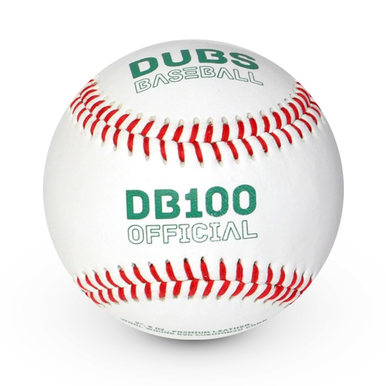
This is where training balls matter. Using game-spec baseballs, like Dubs Official Game Balls, ensures your hands and brain are calibrated to the actual ball weight and feel you'll experience during competition.
Baseball Throwing Warm-Up Drills and Arm Care
A throwing warm-up follows a strict progression: distance, intensity, and movement complexity increase in stages. This progression reduces arm injury risk and builds throwing confidence.
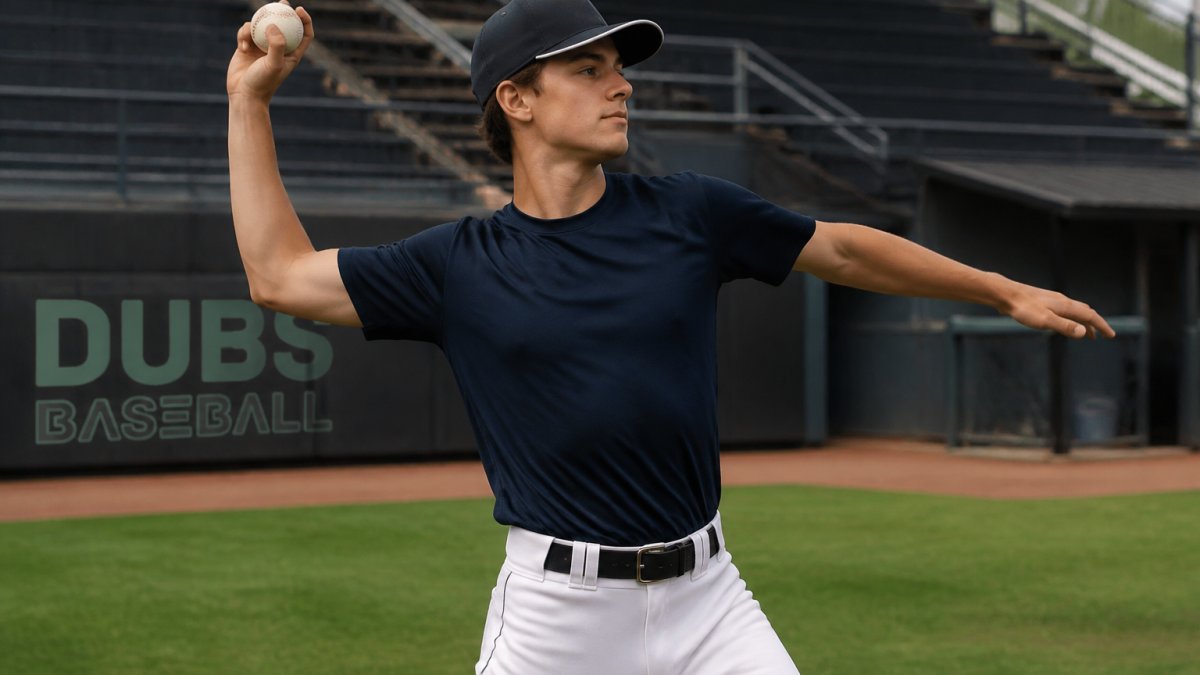
Start at 45 feet with easy throws at 50% effort. Progress to 60 feet at 60% effort, then 90 feet at 75% effort.
The arm care component is non-negotiable. Before throwing, perform shoulder dislocations with a resistance band, band pull-aparts, and external rotation work.
Many coaches skip arm care work because it doesn't feel like "real" training. That's a costly mistake.
Baseball Resistance Bands for Throwing: Arm Strength and Injury Prevention
Resistance bands are among the most underutilized tools in baseball training. They provide variable resistance that strengthens muscles through their full range of motion, which is exactly what throwing demands.
The Dubs Arm Care Band is designed specifically for baseball players.
Arm strength from band work translates directly to throwing velocity and durability.
Band exercises should be part of both pregame warm-ups and daily training. Pregame use activates the rotator cuff and prepares the shoulder for throwing. Daily training builds long-term strength and resilience.
Baseball Plyo Ball Exercises for Power Development
Plyo balls, weighted balls designed for explosive training, build rotational power and bat speed.
Plyo ball training develops power through the hips, core, and shoulders simultaneously. Perform rotational throws against a wall, overhead slams, and single-leg rotational throws.
Weighted balls also serve as pregame activation tools. A few explosive throws with a plyo ball in the 10 minutes before competition builds power and confidence.
DHB-100-H - Dozen Hi-Visibility Pre-Game Hitting Balls - 2.25oz. →
The key limitation: plyo balls are not substitutes for regular throwing. They complement a throwing routine but don't replace it.
High-Visibility and Safety Equipment for Pre-Game Preparation
Visibility matters more than most coaches realize. A ball you can't see is a ball you can't track, catch, or hit effectively. High-visibility equipment ensures your warm-up is productive regardless of lighting conditions.
Visibility in Low-Light and Outdoor Settings
Games often start in low-light conditions, evening games, overcast days, or facilities with poor lighting. Standard white baseballs are difficult to track in these conditions. High-visibility orange balls solve this problem.
The Dubs Hi-Visibility Pre-Game Hitting Balls are specifically designed for these situations. The orange color is visible in grass, at night in unlit conditions, and during twilight games.

Using high-visibility equipment during pregame work ensures players get quality reps with clear visual feedback. Switching to high-visibility balls for warm-up builds confidence heading into competition.
Choosing Equipment by Age, Skill Level, and Budget
Equipment selection depends on your specific situation. Youth players need lighter, more forgiving equipment. High school players can handle full-weight training balls.
Budget constraints are real. A complete pregame kit doesn't require expensive equipment. Resistance bands cost less than most other training tools and deliver outsized results.
For individual players, a basic kit includes: a resistance band, a dozen game baseballs, and a few high-visibility balls for outdoor work. For teams, add foam training balls for machine work and a few weighted balls for power development.
| Equipment Type | Best For | Budget-Friendly Option |
|---|---|---|
| Resistance bands | Arm strength and rotator cuff activation | Dubs Arm Care Band (medium tension) |
| Game baseballs | Throwing and batting warm-up | Dubs Official Game Balls (dozen pack) |
| High-visibility balls | Low-light and outdoor warm-ups | Dubs Hi-Visibility Pre-Game Hitting Balls |
| Foam training balls | Machine work and cage practice | Dubs Machine Training Balls |
| Weighted balls | Power development and explosive training | Dubs Real Leather Weighted Ball (3oz) |
Pregame Warm-Up Equipment Checklist and Setup
A systematic approach ensures nothing gets overlooked. Use this checklist to verify your equipment is ready before game day.
Essential Gear for Individual Players
Every player needs: game-spec baseballs, a resistance band, and appropriate footwear. Pitchers and catchers should add weighted balls and extra arm care equipment. Outfielders benefit from high-visibility balls for tracking practice.
- Game-spec baseballs (12 minimum)
- Resistance band with fence hook
- High-visibility balls (if playing in low-light conditions)
- Weighted ball (optional, for power work)
- Proper footwear with good ankle support
- Towel for sweat management
Team Kit Organization and Transport
Teams need organized storage and transport systems. A bucket system works well, use 3-dozen buckets for baseballs, clearly labeled by type (game, practice, high-visibility).
Transport equipment in a dedicated equipment cart or bag. Label everything clearly so players know what's available and where to find it. A disorganized kit wastes warm-up time and creates frustration.
For teams with limited space, prioritize game-spec baseballs and resistance bands. These two items deliver the most value. Add high-visibility balls if you play evening games.
Maintenance and Replacement Guidelines
Baseballs wear out with use. Scuffed seams, waterlogged leather, and dented surfaces reduce performance. Inspect balls regularly and replace those showing significant wear. A ball that's lost its shape affects throw accuracy and hitter confidence.
Resistance bands last longer with proper care. Store them away from direct sunlight and heat. Don't leave them stretched between uses.
Quality equipment is an investment in player safety and performance, it's worth the expense.
Pregame preparation determines whether your team steps onto the field ready or unprepared.
Dubs Baseball provides all the equipment you need to build an effective pregame routine. From Dubs Arm Care Bands for shoulder activation to game-spec baseballs and high-visibility hitting balls, we've designed our equipment specifically for pregame preparation.
Frequently Asked Questions
What equipment do baseball players use to warm up before a game?
Baseball players use pregame warm-up equipment including high-visibility hitting balls for batting practice, weighted balls for catching and throwing training, resistance bands for throwing mechanics, and standard game baseballs for fielding drills. Hi-visibility balls are especially useful for outdoor warm-ups or low-light conditions, allowing players to track movement more easily. The specific equipment depends on whether a player is a pitcher, hitter, or fielder, but most routines incorporate balls, bands, and mobility tools to prepare the body and mind for competition.
How should baseball players warm up their arms before a game?
A proper baseball throwing warm-up routine starts with light arm circles and shoulder mobility work, progresses to resistance band exercises to activate stabilizer muscles, and then moves into controlled throwing at increasing distances. Begin with short throws from 20-30 feet, gradually extending to 60+ feet over 8-12 minutes. Incorporate baseball resistance bands for throwing to strengthen the rotator cuff and improve flexibility before live throws. This progression reduces injury risk, builds confidence, and prepares the arm for game-day intensity.
Are resistance bands good for baseball arm care?
Yes, baseball resistance bands for throwing are highly effective for arm care. They build strength in the rotator cuff and shoulder stabilizers, improve flexibility, and activate muscles that prevent common throwing injuries like impingement and tendinitis. Bands are lightweight, portable, and work well in warm-up routines before games or practice. The Dubs Arm Care Band is designed specifically for pitchers and fielders, offering medium tension suitable for high school players and above. Using bands consistently as part of your pre-game warm-up routine strengthens the arm and extends career longevity.
How do baseball players use plyo balls in a warm-up?
Baseball plyo ball exercises develop explosive power and arm speed through plyometric movements. Players perform weighted ball drills like chest passes, side throws, and overhead slams to activate fast-twitch muscle fibers and improve throwing velocity. These exercises build power, improve coordination, and prepare the neuromuscular system for competition. Include 5-10 minutes of plyo ball work in your pre-game warm-up routine for maximum benefit.
How long should a baseball pre-game warm-up take?
A complete baseball pre-game warm-up routine typically takes 15-25 minutes, depending on player age and skill level. Start with 3-5 minutes of light movement and mobility work, spend 5-8 minutes on dynamic stretching and controlled movements, then dedicate 7-12 minutes to sport-specific drills like throwing progressions and plyo ball exercises. Younger players may need slightly longer to build confidence and readiness, while advanced players can work more efficiently. The goal is to elevate heart rate, activate muscles, and build mental focus without causing fatigue.
What makes high-visibility pregame warm-up equipment important?
High-visibility equipment like bright orange hitting balls improves safety and training quality during outdoor warm-ups, especially before night games or in low-light conditions. Players can track ball flight more easily, reducing the risk of being struck by a ball during drills. Hi-visibility balls also allow coaches to monitor player performance and provide feedback more accurately. The Dubs Hi-Visibility Pre-Game Hitting Balls are designed for this purpose, offering orange coloring that stands out in grass and unlit fields while maintaining proper weight and flight characteristics for realistic pre-game practice.
Should I invest in specialized pregame warm-up equipment for youth players?
Yes, specialized pregame warm-up equipment supports skill development and injury prevention at all levels, including youth. Younger players benefit from lighter weighted balls, appropriately tensioned resistance bands, and high-visibility gear that builds confidence. Start with essentials like hitting balls and a resistance band, then add weighted balls and foam training equipment as players progress. Equipment investment pays dividends through improved mechanics, reduced injuries, and accelerated development.
