

How Often Should a 9-Year-Old Practice Baseball?
Posted by Editorial Team on 2026 Oct 12th
Table of Contents
- How Often Should a 9-Year-Old Practice Baseball: The Right Balance
- How Many Days a Week Should a 9-Year-Old Practice Baseball
- How Long Should Baseball Practice Be for Kids This Age
- Building a Youth Baseball Practice Schedule
- Baseball Drills for 9-Year-Olds: What to Focus On
- Rest, Recovery, and Avoiding Overuse
- Keeping Practice Fun and Maintaining Motivation
- Frequently Asked Questions
Last Updated: October 12, 2026
How Often Should a 9-Year-Old Practice Baseball: The Right Balance
How much is enough? When your 9 year old practice baseball, too little and your child won't develop; too much and they risk burnout or injury.
The answer depends on whether your child plays competitively, their skill level, and most importantly, whether they're having fun. A 9-year-old who loves baseball improves faster than one who's pushed too hard.
There's no single "right" answer, but clear guidelines work for most kids this age.
How Many Days a Week Should a 9-Year-Old Practice Baseball
Most kids benefit from a 9 year old practice baseball schedule of 3 to 4 days per week when they're on a competitive team.
Consistency beats intensity. A child who practices three times a week, every week, develops faster than one who practices five days one week and nothing the next. Build a schedule you can sustain year-round.
Here's what matters:
- Team practice counts as one of your practice days
- Not every practice day needs to be intense or long
- Rest days are part of the plan, not gaps in the plan
- Adjust based on the season (more during competitive play, lighter during off-season)
Most young players need far less practice than parents think to improve steadily. Quality beats quantity at this age.
How Long Should Baseball Practice Be for Kids This Age
A structured, focused practice for a 9-year-old should last 45 to 60 minutes. Past 90 minutes, attention drops and quality suffers.
At home, a 15 to 20-minute drill session is ideal. Short, focused work on one skill beats long, unfocused sessions, 15 minutes on hitting mechanics, then stop.
Here's the breakdown:
| Practice Type | Duration | Frequency | Focus |
|---|---|---|---|
| Team practice | 60-90 minutes | 1-2x per week | Multiple skills |
| At-home drills | 15-20 minutes | 2-3x per week | One skill at a time |
| Pre-game warm-up | 20-30 minutes | Before games | Light hitting, throwing |
| Off-season work | 30-45 minutes | 2x per week | Strength, fundamentals |
Don't make practice feel like a chore. If your child is tired or frustrated after 20 minutes, stop. A short session they enjoy beats a long one they dread.
Building a Youth Baseball Practice Schedule
A good schedule fits around school, other activities, and family time. It's about a rhythm your child can stick with, most 9-year-olds do best with a repeatable weekly pattern.
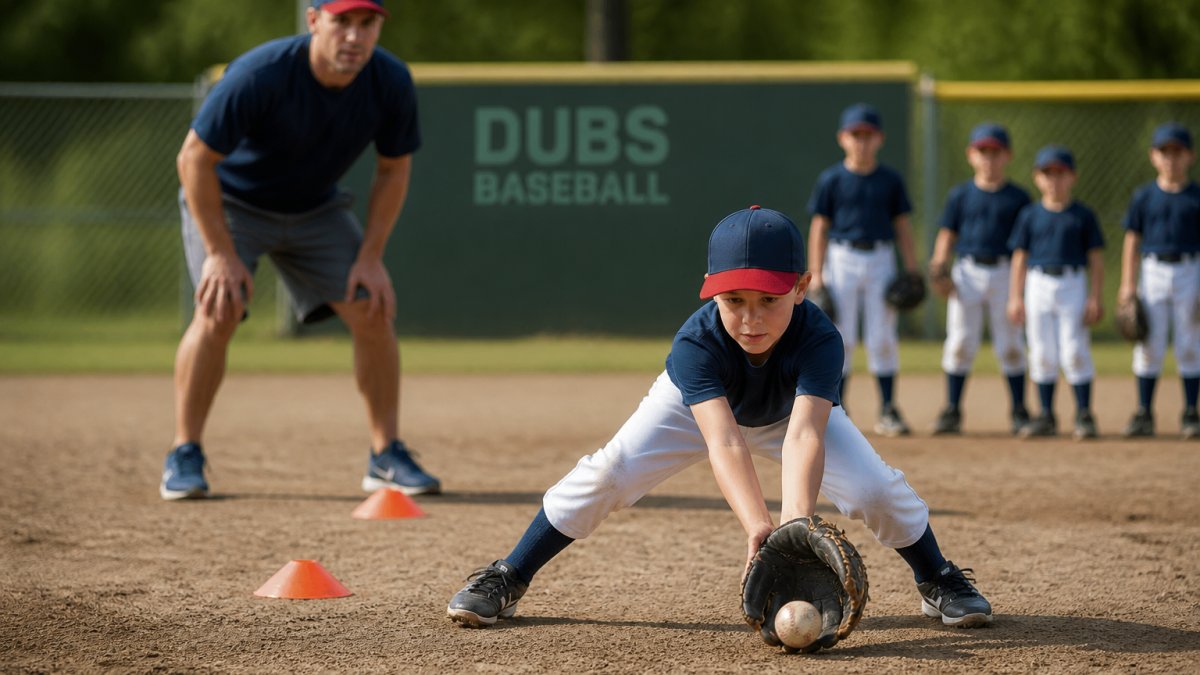
Start with what you already have: team practice days. Most competitive 9-year-olds have one or two per week, build at-home work around them, not on top.
Aim for at least two full rest days per week with no baseball-specific work, they matter for recovery, mental freshness, and just being a kid.
Sample Weekly Schedule for 9-Year-Olds
Here's a realistic in-season schedule that works for most competitive players:
Monday: Team practice (60 minutes) Tuesday: At-home hitting drills (15 minutes) + throwing (10 minutes) Wednesday: Rest day Thursday: Team practice (60 minutes) Friday: At-home fielding drills (20 minutes) Saturday: Game or optional practice Sunday: Rest day
That's four days of baseball activity with two full rest days, sustainable and not overwhelming.
A recreational player can run a lighter version:
Monday: Rest day Tuesday: At-home throwing and hitting (20 minutes total) Wednesday: Rest day Thursday: Team practice (60 minutes) Friday: Rest day Saturday: Game Sunday: Rest day
Two or three baseball days, not five, is plenty at this age without crowding out sleep, homework, or free play.
Off-Season and Pre-Season Schedules
Off-season families either do nothing or too much. The middle path: two short, focused sessions per week.
Off-season (roughly November through January):
- Two 20-30 minute sessions per week
- One session focused on throwing mechanics and light catch
- One session focused on hitting off a tee or soft toss
- At least one full month per year with no baseball-specific training at all
Pre-season (roughly February through the start of team practices):
- Three sessions per week, still capped at 30-45 minutes
- Add fielding reps and base running
- Ramp throwing volume gradually rather than jumping straight into hard throwing
Increase throwing distance and intensity by about 10-15% per week during ramp-up. Sudden jumps in throwing volume are a common cause of early-season arm soreness at this age.
Adjusting Around Team Commitments
If the team practices more than twice a week, one light 15-minute home session is enough, the team already provides structured instruction.
During tournaments or playoffs, dial back at-home work and focus on recovery and fun.
During testing weeks or late-night stretches, cut at-home practice to one short session or pause it.
If your child plays another sport in the same season, count its practices and games as weekly load.
Baseball Drills for 9-Year-Olds: What to Focus On
At this age, fundamentals matter most: hand-eye coordination, basic throwing mechanics, and hitting basics. Fancy drills aren't necessary.
DB300 - Dozen Practice Baseballs →
The skills to prioritize:
- Throwing accuracy and form
- Hitting mechanics (stance, swing path, contact)
- Fielding ground balls cleanly
- Catching fly balls
- Base running
These five skills cover almost everything your child needs at 9. Master these, and everything else gets easier.
At-Home Drill Ideas
You don't need expensive equipment at home, a baseball, a bat, and a wall go a long way.
Throwing drills (10 minutes):
- Throw against a wall and catch the rebound
- Partner throwing from increasing distances
- Accuracy drills (throw at a target)
Hitting drills (15 minutes):
- Tee work focusing on contact
- Soft toss from a partner
- Batting practice with foam or lighter balls
Fielding drills (10 minutes):
- Ground ball practice (roll balls and have your child field them)
- Fly ball tracking
Hand-eye coordination (5 minutes):
- Reaction ball drills
- One-handed catching practice
Keep drills short and specific, one thing per session, so your child stays focused and improves the targeted skill.
Dubs Baseball offers practice baseballs and foam training balls designed specifically for this kind of work. The DB300 Practice Baseballs are built for exactly this, repetitive home and team practice. The DMB-300 Foam Balls are lighter and easier on hands during extended hitting sessions, which is perfect for young players still building strength.


Rest, Recovery, and Avoiding Overuse
Many parents assume more practice equals faster improvement. It doesn't, rest is when your child's body actually gets stronger.
A 9-year-old's bones and muscles are still developing, and overuse injuries, most common in the throwing arm, are real. Most are preventable with a few simple rules.
Separate Throwing From Pitching
General throwing, playing catch, and fielding work are not the same as pitching. Pitching is high-effort and high-volume, and it's where the injury risk concentrates. Treat them differently.
For general throwing and catch play at this age:
- Keep total throwing to roughly 50-75 throws per day
- No more than three or four throwing days per week
- At least one full rest day between throwing sessions
- Stop if form breaks down, that's the first sign of fatigue
For pitching specifically:
- A 9-year-old should not pitch more than once per week in games
- Keep game pitching to roughly 50 pitches or fewer per outing
- Count warm-up pitches, they add up
- No curveballs or sliders at this age, focus on fastball command and a changeup if anything
- After a game outing, take at least two full days off from any throwing
USA Baseball's youth guidelines and the American Sports Medicine Institute both emphasize that young pitchers should avoid throwing breaking pitches until their growth plates close, and that rest days after pitching are non-negotiable. The exact numbers vary by league, so check your local league's pitch-count rules as well.
Warning Signs Your Child Needs More Rest
Arm pain is never normal in a 9-year-old. If your child says their elbow or shoulder hurts, stop throwing for several days. If the pain persists, see a doctor before returning.
Other signs to watch for:
- Decreased throwing velocity or distance compared to a few weeks ago
- Mechanics that suddenly look different, short-arming, dropping the elbow, or pushing the ball
- Complaining of a tired arm or heaviness after practice
- Reluctance to throw or play catch when they used to enjoy it
- Persistent soreness that lasts more than a day after activity
- Trouble sleeping, irritability, or dread before practice
Mental fatigue is just as real as physical fatigue. A child who's burned out won't improve, no matter how much you practice. If your child dreads practice or says they don't want to play, that's a red flag.
Recovery Habits That Actually Help
Recovery at this age is mostly about sleep, food, and time away from the sport. A 9-year-old needs roughly 9-11 hours of sleep per night, and that matters more for injury prevention than any recovery gadget.
Simple habits that help:
- Light activity on rest days, walking, biking, swimming, or just playing
- Hydration before, during, and after practice
- A real meal or snack within an hour of activity
- No throwing on rest days, even "just a little"
- A full month off from baseball-specific training at least once a year
Keeping Practice Fun and Maintaining Motivation
This is the secret that separates kids who improve from kids who quit. Fun beats everything else.
Your 9-year-old doesn't need a professional coach screaming at them. They need to enjoy playing baseball. The moment it stops being fun, you've lost them.
Make practice feel like play:
- Mix in games and competitions during drills
- Celebrate small improvements
- Let your child choose what to work on sometimes
- Play catch together without it being "practice"
- Keep sessions short so they end while your child still wants more
The best practice schedule in the world won't work if your child doesn't want to practice.
Some kids love competitive baseball. Others prefer recreational play. Neither is wrong. Match the practice schedule to your child's personality and interest level.
Finding the right practice frequency for your 9-year-old comes down to balance: enough work to improve, enough rest to stay healthy, and enough fun to keep them engaged. Dubs Baseball supports this approach with quality practice equipment like our DB300-36 Practice Ball Bucket, designed to make consistent home practice easier.

Frequently Asked Questions
How many days a week should a 9-year-old practice baseball?
A 9-year-old should practice 3 to 4 days per week total, combining team practice with optional at-home sessions. Most competitive youth leagues hold 1 to 2 team practices weekly, leaving room for 1 to 2 additional days of light home drills or skill work. This frequency builds consistency without overloading young players or risking burnout. The exact number depends on your child's interest level, team schedule, and access to facilities.
What's the right length for baseball practice at this age?
Team practices for 9-year-olds typically run 60 to 90 minutes, with 60 minutes being common for recreational leagues. At-home practice sessions should be shorter, 10 to 20 minutes of focused drills is ideal. Shorter, consistent sessions work better than long, infrequent ones for skill development and maintaining focus. Quality reps matter more than total time spent.
How can I tell if my child needs more rest or is practicing too much?
Signs your 9-year-old needs more rest include complaining about arm or shoulder soreness, loss of interest in baseball, fatigue during games, or resistance to practice. At this age, arm pain is a red flag, young players' growth plates are still developing, and overuse injuries can cause long-term damage. If your child shows any of these signs, reduce frequency and duration immediately, and consider a few days off. Rest days are as important as practice days.
Should a 9-year-old be pitching regularly, and how often?
If your 9-year-old pitches, limit pitching to 1 to 2 days per week with at least 2 rest days between pitching sessions. Pitch counts matter: aim for 50 to 75 pitches per outing, with fewer pitches for younger or less-experienced throwers. Focus on mechanics and control rather than speed or volume. Many youth leagues have pitch-count limits by age, so check your league's rules. Rest between pitching days allows arm recovery and prevents overuse injuries.